
How to Style a Fall Front Entry Without Overdoing It
Fall entry decor tends to land in one of two places: so minimal it reads as unfinished, or so layered it looks like a craft store collapsed on the porch. Getting it right is less about adding more and more about choosing the right things, starting with knowing when you have enough.
Start With the Door Itself
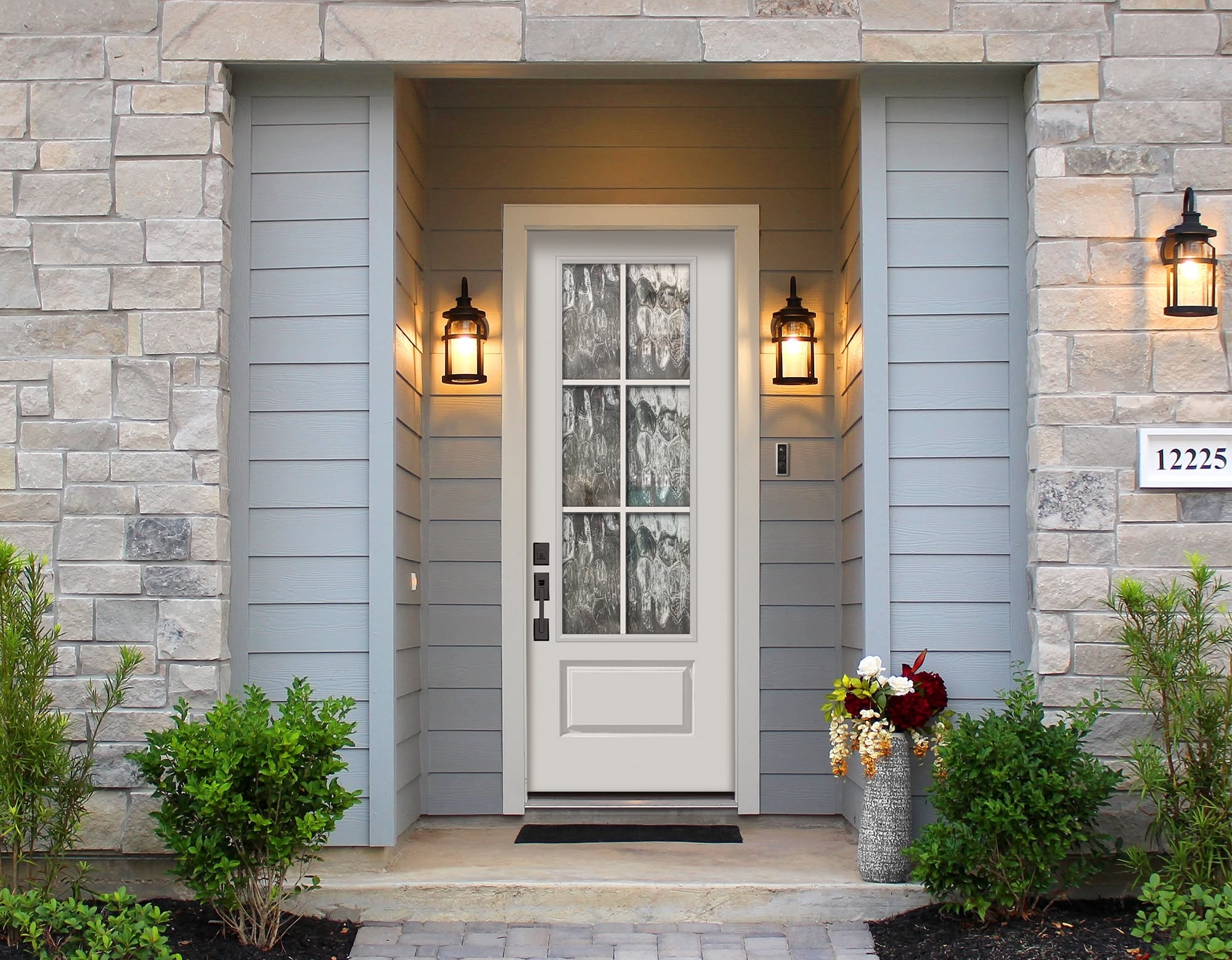
Before anything goes on the porch, look at the door. A bold door color does a significant amount of the seasonal work on its own. Deep navy, black, burgundy, and forest green all read as fall-appropriate without a single decoration in place. If your door is a lighter neutral, the decor will need to do more heavy lifting, which is where most entries get overloaded. To test a color before you commit, you can preview a Knockety door on a photo of your own entry. This short video shows how people are decorating their front porch.
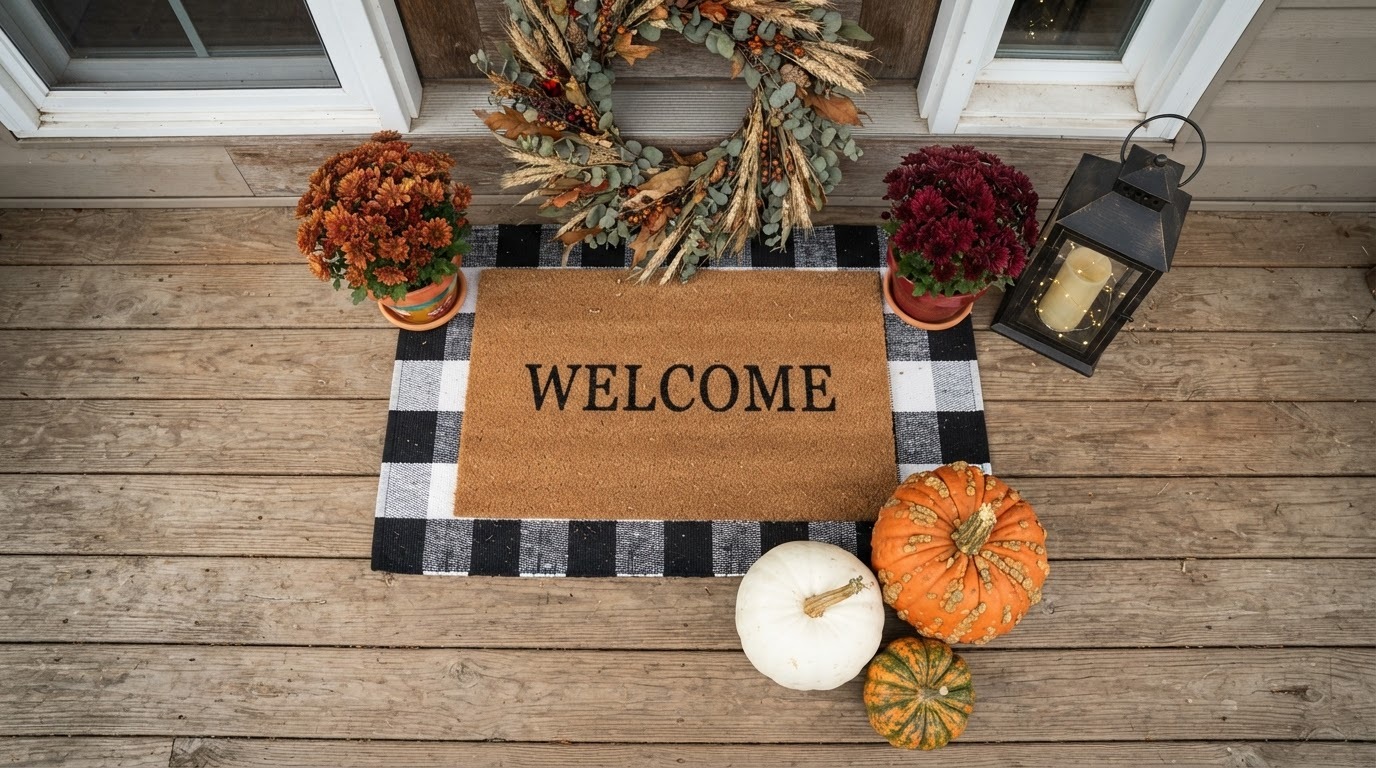
The wreath is the first thing most people reach for, and the most common mistake is sizing down. On a standard 36-inch entry door, a wreath needs to be at least 24 inches in diameter to hold its presence. Go smaller and it reads as an afterthought. Stick to natural materials: dried botanicals, eucalyptus, seed pods, or preserved leaves hold up in outdoor conditions far better than silk florals and look more intentional from the street. Knockety's guide to styling a fall front door covers how to coordinate wreath material and color with your specific door finish.
The Planter Formula
Two planters flanking the door creates symmetry and frames the entry visually. It is one of the most effective moves in curb appeal. The formula that works consistently: one tall element, one medium filler, and one trailing or spilling element per pot. Ornamental grasses or tall dried stems provide height. Mums or kale provide color and body. Sweet potato vine or trailing ivy softens the edge.
Mums are the default fall choice, and they work, but they need immediate repotting from the nursery containers they come in. Those small plastic pots dry out within hours in direct sun, and a drooping mum on either side of a front door undercuts the entire effect. Move them into ceramic or composite planters with room to root, water deeply every one to two days, and they will hold through October.
HGTV's fall porch decorating guide suggests limiting the planter palette to two or three colors maximum: warm tones that work with each other and the door rather than competing.
Pumpkins Without the Cliché
A cluster of identical orange pumpkins stacked at the door is fine. A mix of sizes and varieties, some traditional orange, some white or green, some textural Cinderella or warted gourds, is more visually interesting and requires no more effort or money.
Odd numbers tend to read better than even groupings. Three pumpkins of different sizes arranged at varying heights look considered. Six identical pumpkins in a line look purchased in bulk. If you have steps leading to the entry, staggering pumpkins down the steps extends the composition and draws the eye toward the door from the street. The Home Depot's fall curb appeal guide notes that this layered approach consistently outperforms a single cluster at the threshold.
Lighting: The Detail Most People Miss
Most front entry lighting is designed for visibility, not atmosphere. A single overhead fixture casts harsh light on whatever you have arranged below it. Fall is one of the best times to layer in supplemental lighting because the days get shorter and the entry is often the thing visitors see first after dark.
Battery-operated lanterns on either side of the door, a candle or LED flame lantern on a step, or string lights wound through a wreath or garland change the quality of light at the entry entirely. Warm white is the right color temperature. Cool white reads as clinical rather than welcoming. Knockety's lighting guide for porches and yards covers fixture options and layering strategies that work beyond the single overhead.
Knowing When to Stop
The clearest sign that a fall entry has crossed into cluttered territory: your eye does not know where to land. A well-composed entry has a focal point: the door, with supporting elements that frame it rather than compete with it. Wreath, two planters, three to five pumpkins, and a layered doormat is a complete composition. Every element added past that needs to earn its place.
A good test before stepping back: remove the last thing you added and look at the entry again. If it looks better without it, leave it off. If the entry feels unfinished, it belongs.
The door itself is still the centerpiece. Whatever you choose to put around it should make it more visible, not less. Knockety's entry door range includes finishes that hold their own through every season, and a door that does its job means the decor has less work to do.