
Front Door Glass Types: Privacy, Light, and Style
Glass panels can completely transform a front door. They influence how much light enters your home, how private your entry feels, and how the door fits your exterior design. While glass is often chosen for aesthetics, the type of glass you select also affects comfort and security. Understanding your options helps you choose a door that looks good and works well every day.
Why Glass Panels Matter More Than You Think
Glass panels are often the first feature people notice on a front door. They shape first impressions and set the tone for the entire entryway. Beyond appearance, glass determines how light moves through your home and how exposed your interior feels. Doors with glass panels can make a home feel more open and welcoming. The right glass choice balances brightness with privacy so the entry feels intentional rather than exposed.
Clear Glass Panels
Clear glass allows maximum light into the entryway. This option works well for homes set back from the street or properties with private front yards. Clear glass creates a bright interior and offers a direct view outside.
Design experts at AIS Glass list sun-soaked rooms, endless views, and the great outdoors brought inside as some of the benefits of clear glass panels. They note that it works best when privacy is not a concern. Homeowners should consider sightlines carefully before choosing this option.
Frosted and Etched Glass
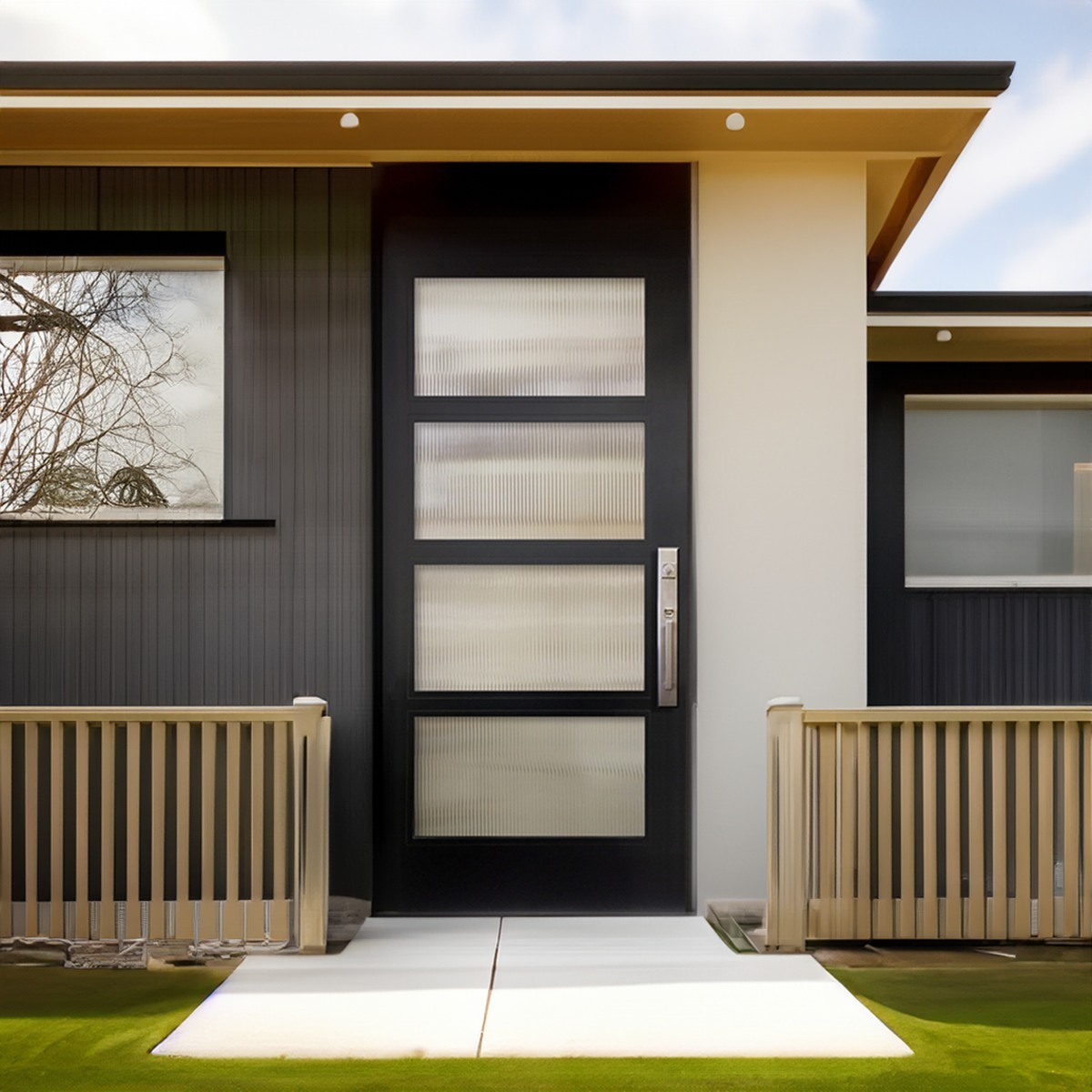
Frosted glass softens incoming light while obscuring visibility. Etched designs add decorative detail while maintaining privacy. These options are popular for homes near sidewalks or busy streets. This How to guide by HGTV gives a quick guide around how to frost glass windows in your home. The best thing about frost and etched glass is that it allows daylight to filter in without exposing the interior to passersby.
Patterned and Textured Glass
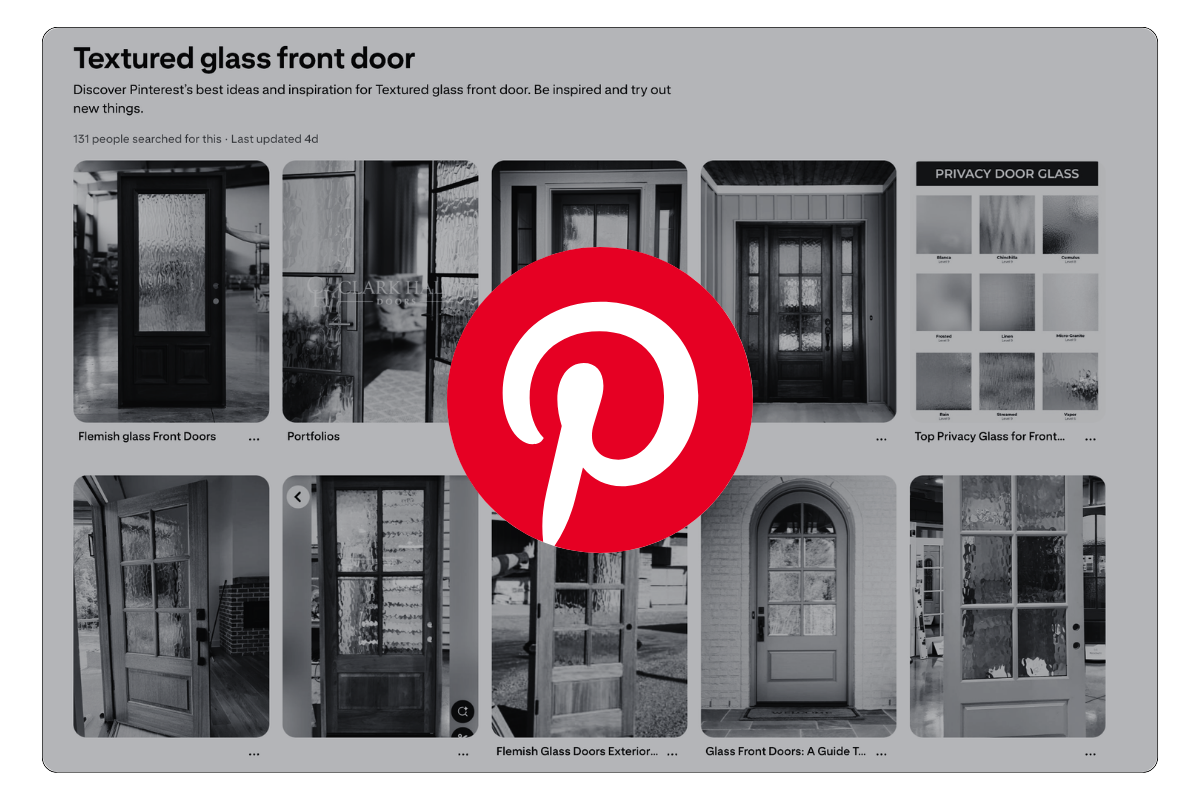
Patterned glass adds visual interest while diffusing light. Textures such as rain, reeded, or hammered glass distort views without blocking brightness. These styles work well for homeowners who want privacy with character. Here is an interesting board from Pinterest around textured glass designs for front doors. Textured glass pairs well with both traditional and transitional architecture. The texture adds depth without overwhelming the door design.
Privacy Glass and Obscure Options
Privacy glass is designed to prevent clear visibility from either side. It often combines texture and opacity to block views completely. This option is ideal for homes with close neighbors or front doors that face public areas. Energy and design considerations discussed by Energy.gov’s overview of door glass performance show that modern privacy glass can still support insulation and efficiency. Homeowners do not have to sacrifice performance for privacy.
How Glass Affects Energy Efficiency
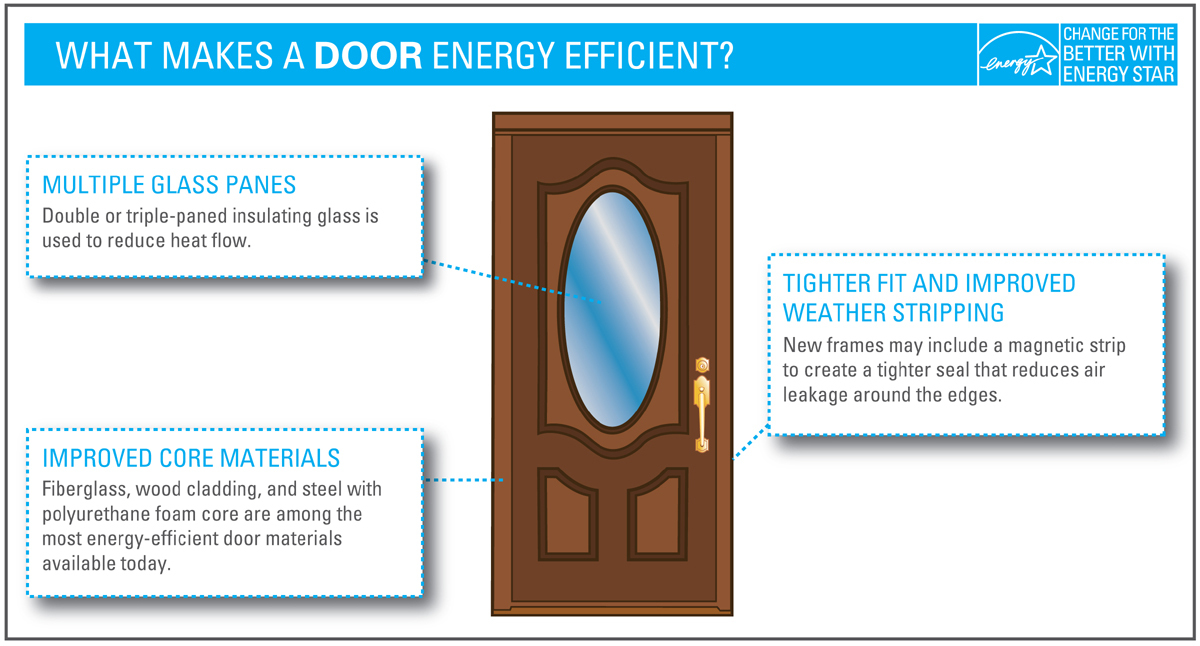
Modern front door glass is built with insulation in mind. Double pane and triple pane glass reduce heat transfer and improve comfort. Low emissivity coatings also help regulate indoor temperatures. The ENERGY STAR guidance on door glass explains how insulated glass units improve energy performance. Choosing high quality glass helps reduce drafts and energy loss near the entryway.
Matching Glass Style to Your Home’s Architecture
Glass style should support your home’s architectural language. Traditional homes often look best with divided or decorative glass. Modern homes benefit from clean lines and simple shapes. Transitional homes can support a wide range of options. When glass aligns with trim and proportions, the entry feels cohesive.
Glass panels influence more than appearance. They shape light, privacy, and comfort at your front door. By understanding the differences between clear, frosted, textured, and privacy glass, you can choose an option that fits your lifestyle and your home.
Knockety offers a wide range of glass panel options designed for performance and style. Clear, water, rain, Flemish and reed glass are included at no extra cost on our wood front doors and fiberglass front doors. The right glass choice helps your front door welcome light while protecting privacy and enhancing curb appeal.
Common Questions
Front Door Glass: Frequently Asked Questions
Which front door glass gives the most privacy?
Obscure and privacy glass options are made for it, and frosted or etched glass achieves much the same while still passing light. Patterned and textured glass distorts the view without blocking brightness.
Does clear glass in a front door compromise privacy?
It can, depending on your setting. Clear glass suits homes set back from the street or with private front yards, where the benefit of maximum light and a direct view outward outweighs exposure.
Does door glass affect energy efficiency?
Yes. Glass is generally the least insulating part of a door, so the type and construction of the glazing affects how much heat moves through the entry in both directions.
How do I choose glass that suits my house?
Match it to the architecture the same way you would the door itself. The glass style should agree with the era and character of the facade, since it is one of the first features anyone notices.
Can I get privacy without making the entry dark?
Yes, and that is the point of frosted, etched, patterned, and textured options. They diffuse the view while still letting light through, so the entry stays bright without feeling exposed.