
Can You Install Your Own Front Door? How to Decide
Replacing a front door is one of those projects that looks approachable - pull out the old one, set in the new one, done. In reality, it falls somewhere between straightforward and genuinely technical depending on what you are starting with. Some homeowners handle it without much difficulty. Others run into problems that cost more to fix than a professional installation would have. Knowing which category you are in before you start is what this guide is for.
What Makes Door Installation Tricky
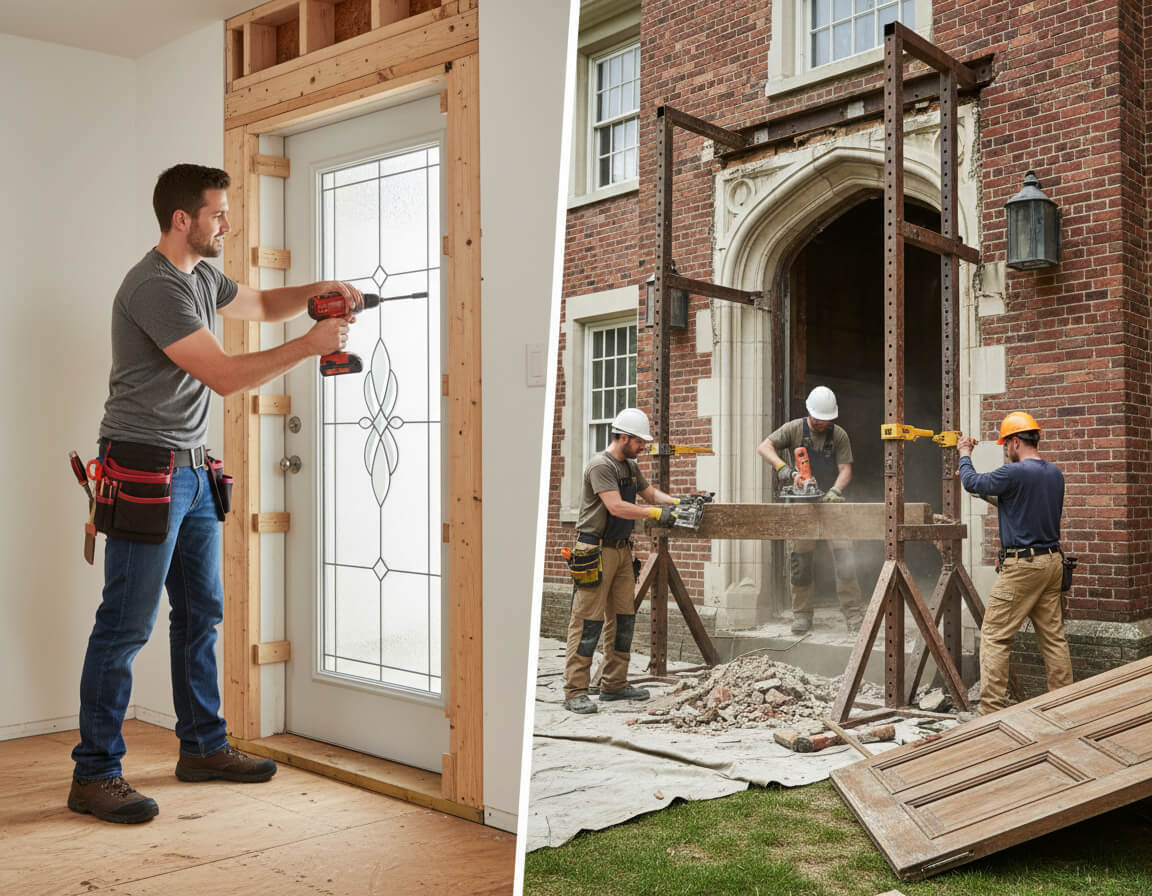
The core challenge in front door installation is that the door has to be perfectly plumb, level, and square within the rough opening - and rough openings are rarely all three from the start. An opening that is even slightly out of plumb will cause the door to drift open or closed on its own, bind against the frame, or fail to seal properly along one edge. These are not cosmetic problems. They affect security, energy performance, and how long the weatherstripping lasts.
Fine Homebuilding's guide to hanging prehung doors correctly is candid about this: most installation failures trace back to an out-of-plumb rough opening that was not corrected before the door went in. The door can be shimmed and adjusted to compensate, but it takes patience and the ability to read what you are looking at.
Water management is the second challenge on an exterior door. A proper installation requires sill flashing, housewrap integration, and in many cases caulk and tape at specific points around the frame - not as finishing touches, but as the water-management system that keeps moisture from working behind the exterior cladding. This is the step most DIY installations get wrong, and the damage it causes is often invisible until it is severe.
The Skills and Tools You Actually Need
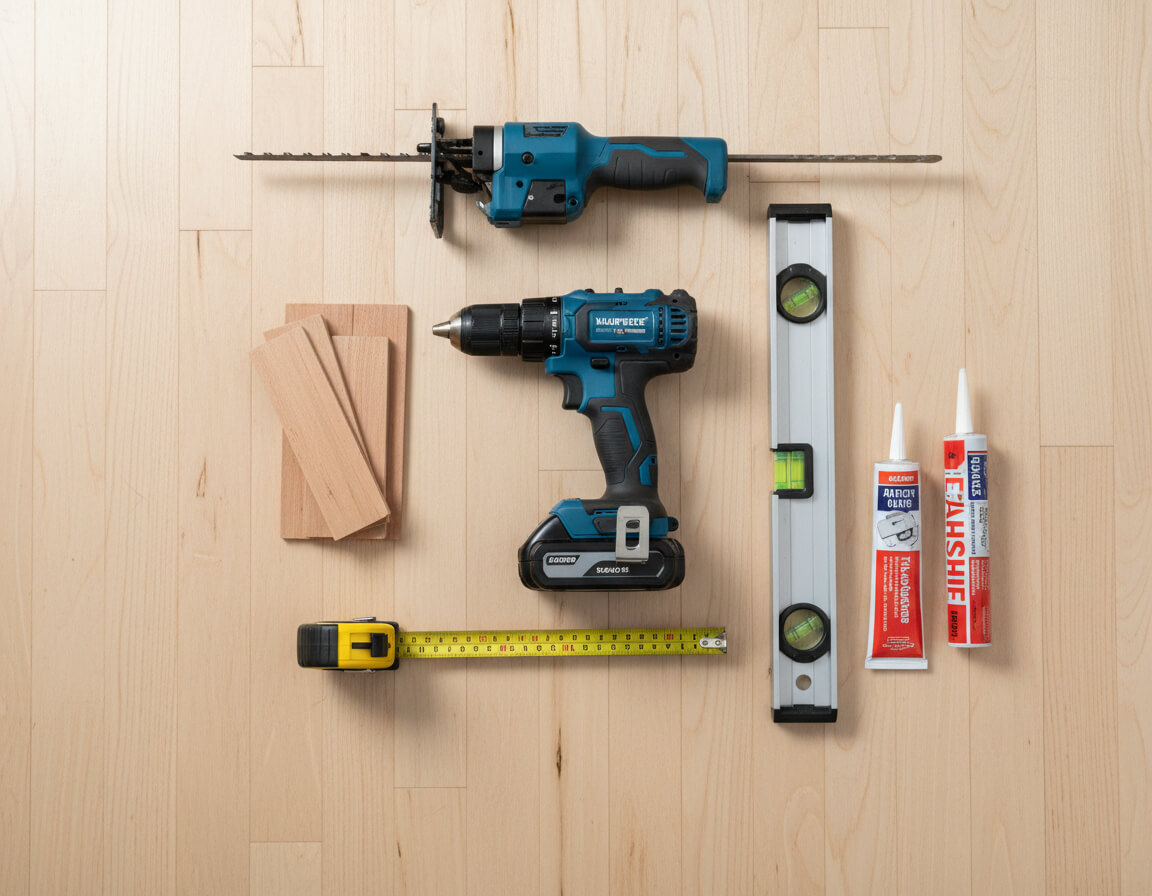
A successful prehung door installation requires a cordless drill, a reciprocating saw for removing the old door, a level (at least 4 feet), a tape measure, a hammer, shims, and exterior-grade caulk and flashing tape. Most of those are standard homeowner tools.
The skill set required is more specific: the ability to read and correct a rough opening, experience with shimming to achieve plumb without introducing racking, and understanding of how exterior water management works at a door threshold. This Old House's step-by-step guide to installing a prehung exterior door gives a realistic picture of the process, including the steps most guides underplay.
Before buying a door, start with accurate measurements. Knockety's guide to measuring an exterior door walks through how to measure the rough opening correctly - not just the existing door slab - which is what the replacement door needs to be sized against.
? This full walkthrough covers a prehung exterior door installation from removal to final weatherstripping - a useful preview of what the project actually involves!
When DIY Makes Sense
If your rough opening is in good condition, you have done projects involving shimming and framing before, and you are replacing a standard prehung unit in an existing opening without changing the size, DIY installation is a reasonable undertaking. A skilled homeowner who can work carefully and read a level can complete a standard prehung exterior door installation in a day.
Bob Vila's prehung door installation guide notes that the project is rated as DIY-friendly for people with intermediate carpentry skills - not beginner work, but not beyond a capable homeowner. The limiting factors are the rough opening condition and the quality of water management execution, not the physical labor.
Knockety's front door installation guide and how-to video library are useful resources for working through the process before and during installation.
When to Call a Pro
Call a professional when the rough opening needs structural modification, when the door size is changing, when the surrounding trim or cladding is integrated in a way that makes clean removal difficult, or when the threshold is over a concrete slab that may need grinding or shimming to achieve level.
Knockety's post on what to look for when hiring a professional installer covers how to evaluate contractors - a useful read whether you are comparing bids or just trying to understand what a professional installation should include.
Family Handyman's exterior door replacement guide is equally honest about scope: straightforward replacement in a solid opening is DIY-accessible, but anything involving structural repair, waterproofing repair, or non-standard rough opening sizing crosses into professional territory.
The Middle Path
Many homeowners buy the door themselves and hire for installation only. This gives you control over the product selection and lets you shop Knockety's wood front doors and fiberglass front doors without being steered by a contractor toward whatever they stock - while keeping the installation in the hands of someone who does it regularly. It is often the most cost-effective approach when the installation itself is straightforward but the homeowner does not want to take on the liability of getting the water management wrong.
Whether you install it yourself or hire it out, the right door and a well-sealed rough opening are what determine how the entry performs for the next twenty years.