
Best Front Doors for Texas Heat and Coastal Humidity
Not every front door is built for every climate. A door that performs beautifully in a mild Pacific Northwest neighborhood can warp, corrode, or fail its seals within a few seasons on the Gulf Coast. Climate is one of the most important factors in door selection, and homeowners who skip it often find themselves replacing their investment far sooner than expected.
Texas Heat: What 100°F Days Do to a Door
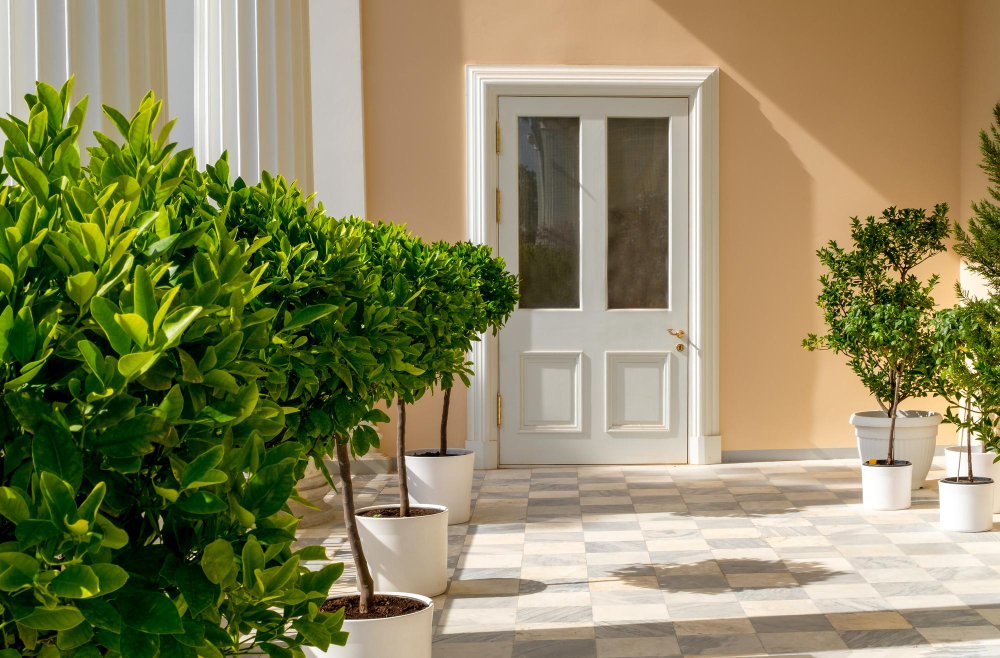
Texas summers are relentless. In cities like Houston, Austin, and San Antonio, prolonged heat and intense sun exposure push front doors to their limits. The problem is not just temperature; it is the combination of UV radiation, thermal expansion, and wide swings between day and night temperatures that stress materials over time.
Wood doors are particularly vulnerable in the Texas climate. The repeated cycle of swelling in heat and contracting at night causes joints to loosen, finishes to crack, and panels to warp. Darden Building Materials' guide to door materials for Texas weather notes that wood requires especially intensive upkeep in high-heat, high-humidity regions and is generally a poor long-term performer without consistent maintenance.
Steel doors are structurally strong but conduct heat rapidly. A dark steel door in direct Texas sun can reach surface temperatures that stress paint, weatherstripping, and adhesive components. Fiberglass is widely considered the strongest choice for Texas conditions — it does not conduct heat as readily as steel, resists warping, and holds its finish far longer under sustained UV exposure. Framewell's analysis of door surface temperatures in summer confirms that fiberglass consistently stays closer to ambient air temperature than comparable steel options.
Coastal Humidity: Salt Air, Moisture, and Corrosion
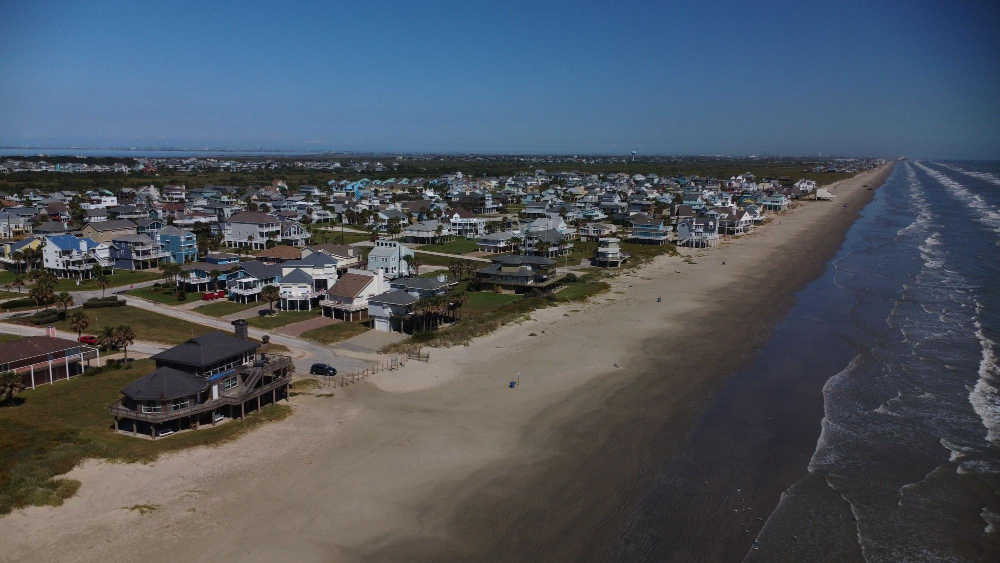
Coastal climates, from Galveston to the Florida Panhandle to the Carolinas, introduce a set of challenges that go beyond heat. Salt-laden air accelerates corrosion on metal components, while persistent moisture works against wood and degrades poorly sealed finishes. Homes within a mile of the ocean typically see hardware and door materials deteriorate faster than inland properties.
Steel doors in coastal environments need close attention. The salt air attacks any compromised paint or coating, and rust can develop along edges and hardware points faster than most homeowners anticipate. Wood is similarly demanding, requiring frequent refinishing to prevent moisture from penetrating and causing rot or delamination.
Fiberglass again leads in coastal applications. It does not absorb moisture, does not corrode, and resists the UV exposure that accompanies most coastal climates. Window World of Corpus Christi's overview of exterior doors in humid climates highlights fiberglass as the most consistent performer where salt air and moisture are ongoing concerns, and recommends pairing it with stainless steel or marine-grade hardware to protect against corrosion at the hinges and lockset.
Cold Climates: Insulation, Freeze-Thaw, and Air Sealing
In northern states, the primary enemy is not heat but energy loss. A poorly insulated front door allows heat to escape, drives up energy bills, and creates uncomfortable drafts near the entry. Freeze-thaw cycles also put stress on materials, expansion and contraction over a northern winter can compromise seals and cause warping in doors that are not built for it.
Fiberglass doors with polyurethane foam cores typically carry R-values between 5 and 6, making them among the most thermally efficient options available. Steel doors with insulated cores also perform well in cold climates, though the metal skin can feel cold to the touch and may require heavier weatherstripping to fully eliminate drafts. The Department of Energy's guidance on exterior door performance recommends looking for doors with insulated cores and low air infiltration ratings when energy efficiency is a priority.
Weatherstripping and threshold seals matter as much as the door itself in cold climates. Today's Entry Doors' resource on exterior doors for cold climates emphasizes that installation quality, not just door material, is what separates a truly energy-efficient entry from one that only looks the part.
Hurricane and High-Wind Zones: Ratings That Matter
In Florida, coastal Texas, and the Gulf South, building codes require impact-rated doors in many areas. These doors are tested against simulated hurricane conditions, sustained wind pressure and flying debris impact. Look for a Design Pressure (DP) rating of at least DP50 for storm-prone regions, which indicates the door can withstand significant wind force without deflecting or failing at the frame.
Prestige Window and Door's breakdown of hurricane impact door materials notes that the strongest impact doors combine reinforced frames, laminated glass panels, and heavy-duty multi-point locking systems. An impact-rated door also typically improves home insurance rates, many insurers discount premiums for homes with certified storm protection.
Match the Door to the Climate
Extreme weather is not an edge case in much of the United States; it is the norm. Choosing a door without accounting for your regional climate means shopping for aesthetics while ignoring performance. Fiberglass holds up across the widest range of conditions, from coastal salt air to Texas heat to northern freeze-thaw cycles. Steel offers strong cold-climate and wind performance with attention to finish. Wood, while beautiful, requires the most commitment to maintenance in any demanding environment.
If you are shopping for a front door built to handle your local conditions, Knockety carries fiberglass front doors and solid wood front doors designed with durability in mind. Most fiberglass models are impact rated; a design rep will confirm yours. The right door for your climate is the one that still looks and performs like new years down the road.