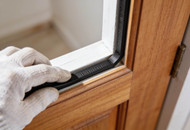
Door Weatherstripping: Types, Lifespan, and Replacement
A Homeowner's Guide to Door Weatherstripping
Most homeowners spend considerable time choosing the right front door: the material, the finish, the hardware. Far fewer give the same attention to the thin strips of material sealing the gap around it. That oversight is costly. A well-chosen door with failing weatherstripping performs like a poorly insulated door. Air leaks in around the frame, conditioned air escapes, and your HVAC system works harder every hour to compensate.
Weatherstripping is one of the highest-return maintenance items in a home, and it is also one of the most neglected.
What Weatherstripping Actually Does
The gap between a door slab and its frame is not decorative; it is a functional clearance that allows the door to open and close without binding. Without weatherstripping, that gap becomes a direct path for outside air, moisture, insects, and noise.
The U.S. Department of Energy's weatherstripping resource notes that air leakage around doors and windows can account for 25 to 40 percent of the energy used for heating and cooling in a typical home. Addressing those gaps can reduce heating bills by 10-15%, and for a home with an older, poorly sealed entry, the savings can be immediate. Beyond energy, weatherstripping protects the frame itself: moisture that infiltrates around a failed seal slowly damages wood trim, subfloor edges, and framing over time.
The Main Types of Weatherstripping
Not all weatherstripping is the same, and the right type depends on where on the door it is being applied and how much friction or compression it will face.
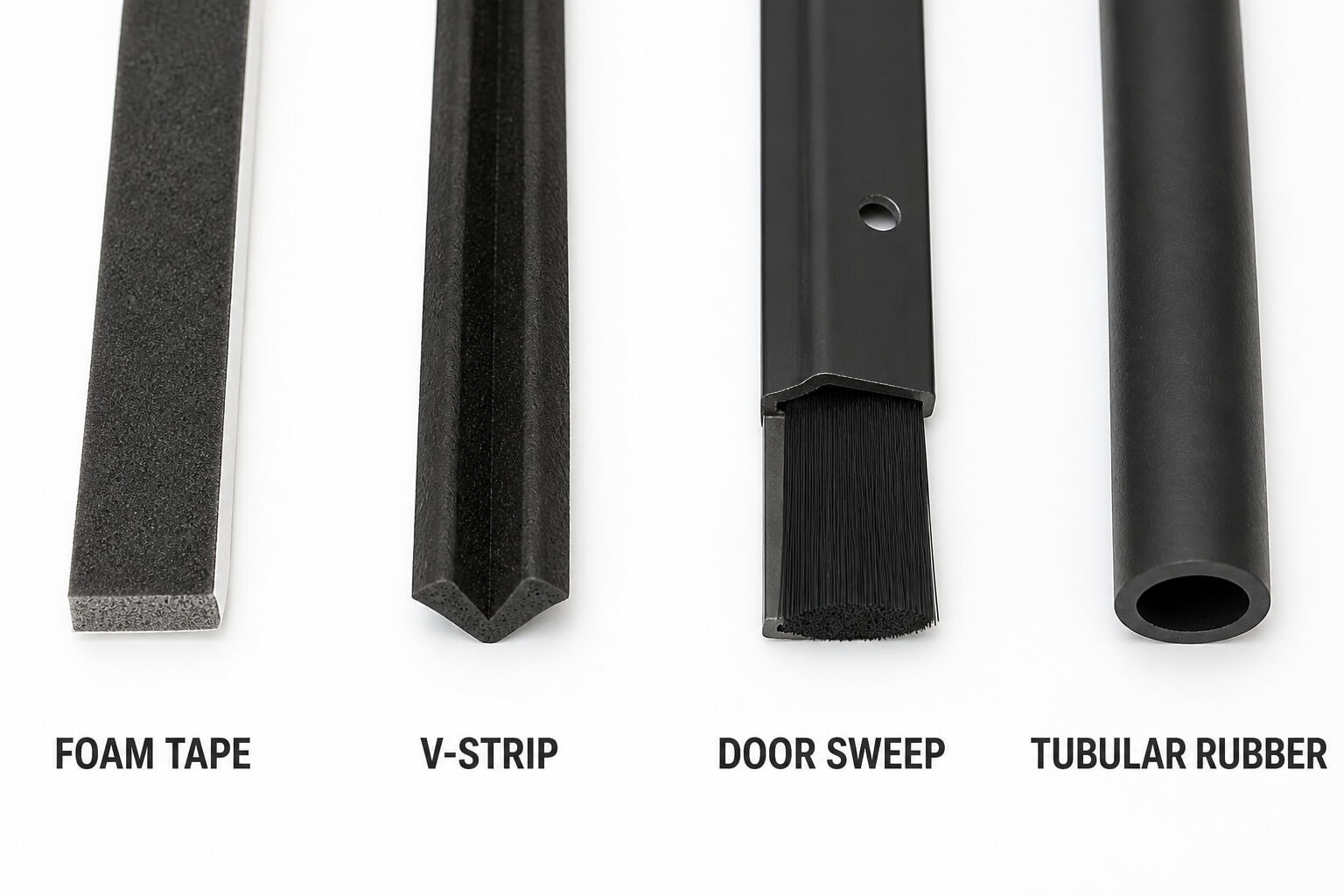
V-Strip (Tension Seal): V-strip is vinyl or metal folded into a V-shape that springs open to fill a gap when compressed. It is one of the most durable options for the sides and top of a frame, holding up well against repeated use. Angi's overview of door weatherstripping types rates V-strip as particularly effective for exterior side jambs where the seal needs to hold against wind pressure without degrading quickly.
Foam Tape: Foam tape, typically made from EPDM rubber or open-cell foam, is the most accessible and easiest to install. It compresses against the door stop when the door is closed, creating a basic seal. It is a good solution for irregular gaps or as a temporary measure, but it has the shortest lifespan of any weatherstripping type and deteriorates faster in high-traffic doors.
Door Sweeps: A door sweep attaches to the bottom of the door and presses against the threshold when closed. This is where the majority of air and moisture infiltration occurs: the gap under the door is larger and harder to seal than the side gaps. Sweeps come in several styles: brush sweeps for lighter contact, rubber blade sweeps for tighter seals, and automatic sweeps that drop into position when the door closes.
Tubular Rubber and Vinyl: Tubular weatherstripping compresses into a D-shape when the door closes, handles irregular gaps well, and is a cost-effective middle-ground for the top and side jambs. At the high end, interlocking metal channels, one mounted on the door, one on the frame, create the most airtight and longest-lasting seal available, though installation typically requires a professional.
How Long Does Weatherstripping Last?
Lifespan varies significantly by type and location. This Old House's essential guide to weatherstripping provides a useful breakdown: foam tape typically lasts one to three years; V-strip and tubular options average three to five years; door sweeps last three to five years depending on how often the door is used; interlocking metal can last indefinitely with basic maintenance.
A front entry door used multiple times daily will wear its weatherstripping faster than a secondary door. Extreme heat breaks down foam and rubber faster, and freeze-thaw cycles work against adhesive-backed strips.
How to Tell It Is Time to Replace
The most obvious sign is a draft, a cold or warm current of air felt near the door frame when it is closed and locked. Other signs are subtler. Visible light around the edges of a closed door in a darkened room is a reliable indicator of gaps. Debris or insects appearing near the threshold without an obvious entry point often traces back to failed door sweep seals. Moisture staining or swelling on the floor near the entry suggests water is infiltrating at the bottom.
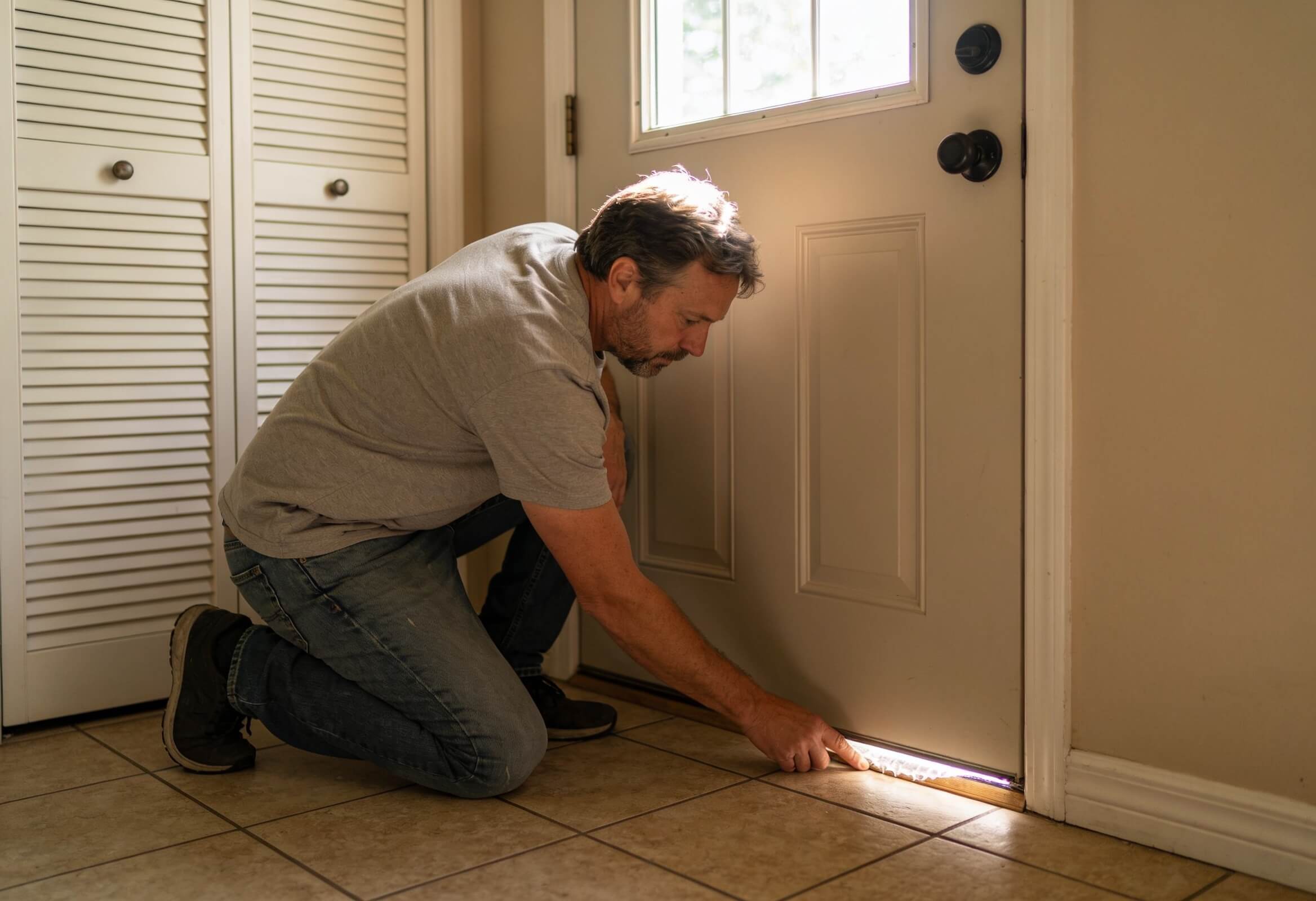
West Shore Home's analysis of weatherstripping effectiveness recommends inspecting exterior door seals twice per year, once before winter, once before summer. A few minutes with a flashlight and your hand near the frame will reveal more than most visual inspections.
Replacing It: What the Process Looks Like
Most weatherstripping types can be replaced by a capable DIYer in an afternoon. The process involves removing the old material, cleaning the surface, cutting the new strip to length, and installing it: adhesive-backed options press into place, while others require nailing, stapling, or screwing.
? This Old House general contractor Tom Silva walks through a full exterior door weatherstripping replacement — a useful visual reference before you start:
The one exception is the threshold and door shoe assembly. If the threshold itself has worn down or cracked, or if water is getting under the door despite a functional sweep, the full threshold assembly may need replacing, a job that involves the door frame and is better left to a professional.
The Relationship Between Weatherstripping and the Door Itself
Weatherstripping can only do so much. If a door has warped, shifted in its frame, or no longer closes squarely against all four sides of the jamb, no weatherstripping material will fully compensate. One Hour Heat and Air's breakdown of weatherstripping energy savings makes this point directly: the best results come from pairing quality weatherstripping with a door that fits properly and closes without resistance. A door that has to be pulled hard to latch is telling you the fit has been lost; that is a door problem, not a weatherstripping problem.
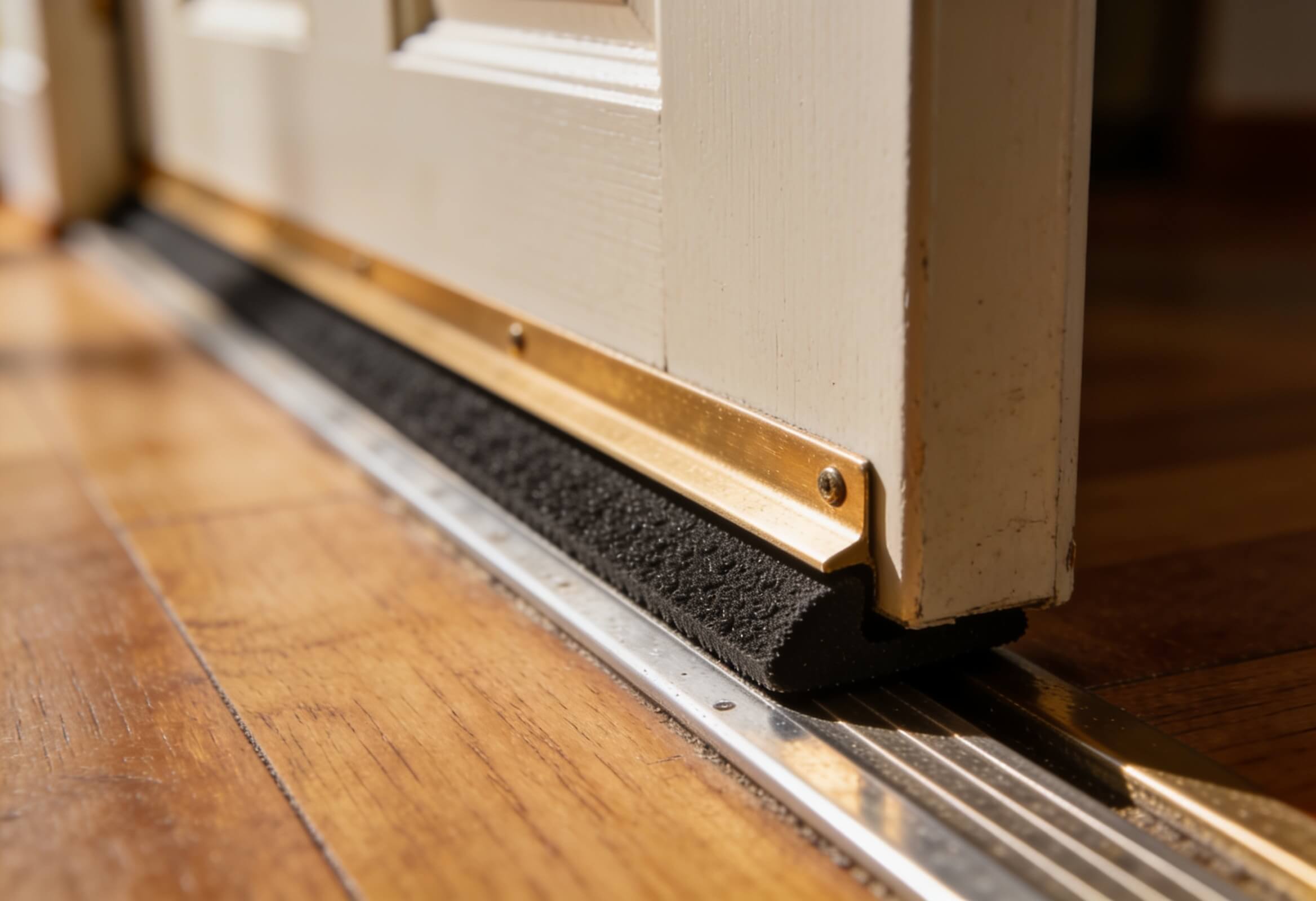
A new front door that closes cleanly and compresses consistently against the seal on all sides starts with a significant advantage over an older door that has settled out of square. It is one of the less-discussed reasons a door replacement pays off beyond aesthetics. If your current door is working against its weatherstripping rather than with it, Knockety's front door range is worth a look.