How Winter Sun Exposure Fades Your Front Door
Jan 8th 2026
Winter brings softer light, but the UV exposure is still strong enough to damage a front door. The low sun angle often shines directly on entryways for longer periods each day. Winter sunlight can fade the finish of a door and leave it looking dull or worn. This happens slowly, so many homeowners don’t notice the problem until the door loses color or starts to show cracks.
Why Winter Sun Is a Quiet Threat
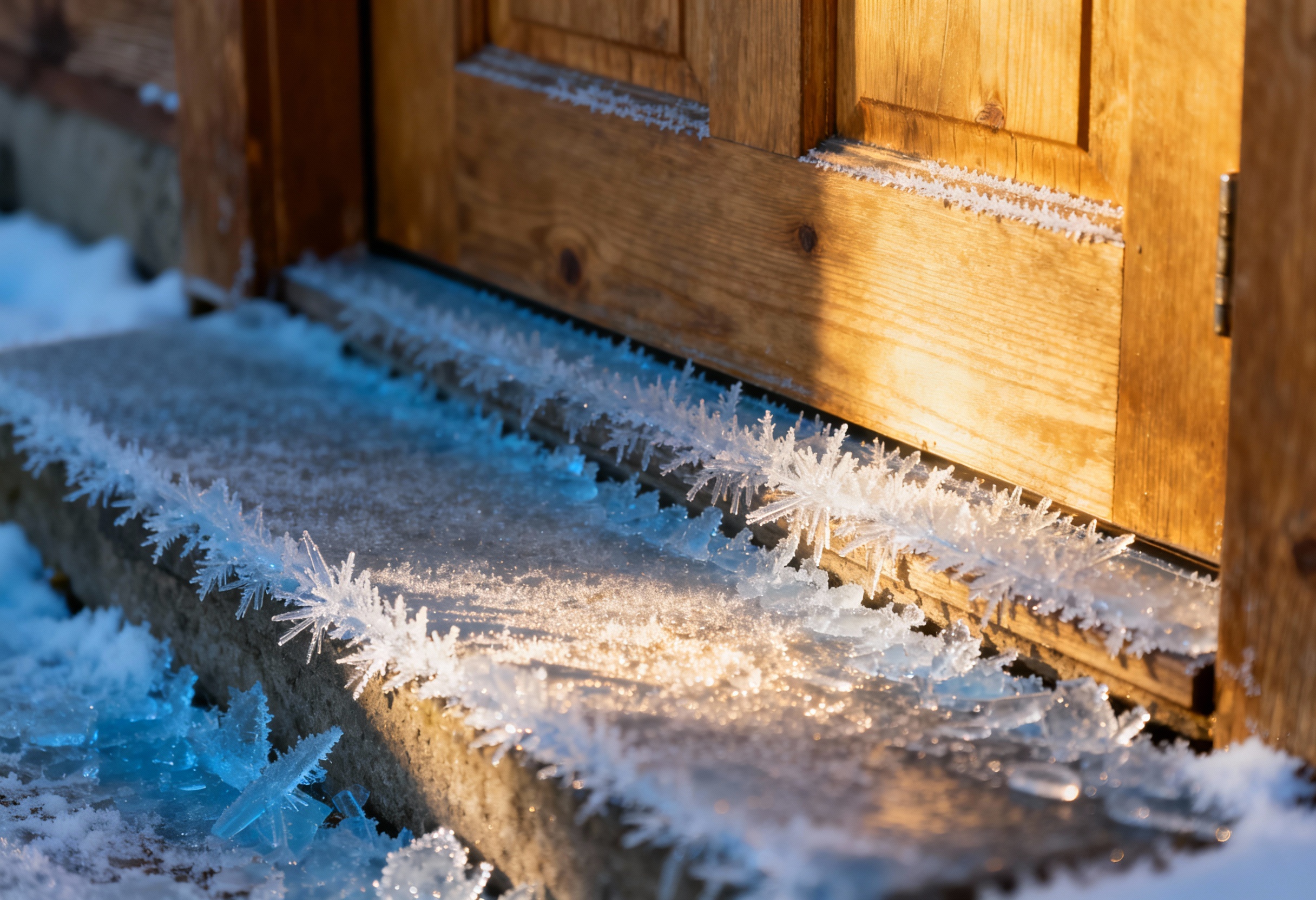
You may associate sun damage with hot summers, yet winter brings its own risks. The sun sits lower in the sky, which increases direct exposure across the surface of many entry doors. This can warm certain areas unevenly and cause long-term fading or warping. A timber care guide from Timber Windows North explains that wood exposed to strong light can fade, warp, or crack when it’s not protected. Winter temperatures do not prevent UV rays from breaking down a door’s finish.
Signs Your Door Is Suffering
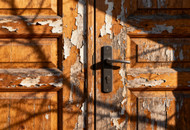
Winter sun damage often starts small. You may see subtle fading near panels or glass, or you may notice a chalky texture on the paint or stain. Cracks around joints or edges can also appear after repeated exposure. Some homeowners also report bowing or distortion as one side of the door heats up while the other stays cold. The team at WoodFixes notes that wood doors regularly exposed to sunlight often develop fading and cracking if they go unprotected.
Choose Materials That Stand Up to Sunlight
How Do I Protect My Front Door From Sun Damage? - LearnToDIY360.com
Your door material will influence how quickly winter sun causes damage. Fiberglass and steel resist sun exposure better than many softwoods. A door comparison guide from Plastpro points out that fiberglass handles direct sunlight well because it expands less and holds its finish longer. High-quality hardwood doors also perform well when they are finished with UV-blocking coatings.
Protective Strategies That Work
You can protect your door without replacing it. A UV-blocking topcoat adds strong defense and keeps finishes vibrant. The Decorator’s Forum UK recommends clear coats with UV inhibitors to prevent fading and cracking. Architectural elements like overhangs or awnings can reduce direct sunlight during key hours. Lighter door colors often fade more slowly, and routine cleaning helps finishes hold up better through winter.
When Replacement Is the Smarter Choice
A door with deep fading or structural issues may need more than maintenance. If cracks spread through the panels or the door no longer seals properly, winter can make the problem worse. Replacing the door with a model built to resist UV exposure offers better long-term performance and helps preserve curb appeal.
Winter sun seems mild, yet it can quietly damage a front door over time. Strong UV rays fade finishes, weaken materials, and create long-term issues you may not notice until the damage becomes obvious. With the right materials and protection, your entry can stay sharp all year.
Explore Knockety’s front door collection and choose a door designed to thrive in every season.