
How to Match Your Front Door to Your Home’s Architectural Style
Jan 30th 2026
A front door is not just a practical feature. It is a visual signal. It tells people what kind of home they are about to enter. When the door matches the architecture, the exterior feels cohesive. When it clashes, the whole façade can feel off even if the door is expensive. If you are not sure what “style match” means, start with the basics. Architectural style is often defined by shape, ornament, symmetry, and materials.
Start With Your Home’s Form, Not Trends
Before you choose color or glass, look at the home itself. Is it symmetrical and formal? Is it warm and handcrafted? Is it minimal and geometric? These cues point you toward the right door profile.
A solid practical approach is to let the home guide the door. That same idea is echoed in This Old House’s advice on choosing a door that fits your house, which focuses on selecting a door that supports the overall architectural look.
Traditional Homes: Colonial, Georgian, and Formal Styles
Traditional homes tend to look best with classic proportions and restrained detailing. Panel doors are a natural fit. Glass should feel structured rather than dramatic. Think smaller panes, sidelites that match the trim, and hardware that looks timeless.
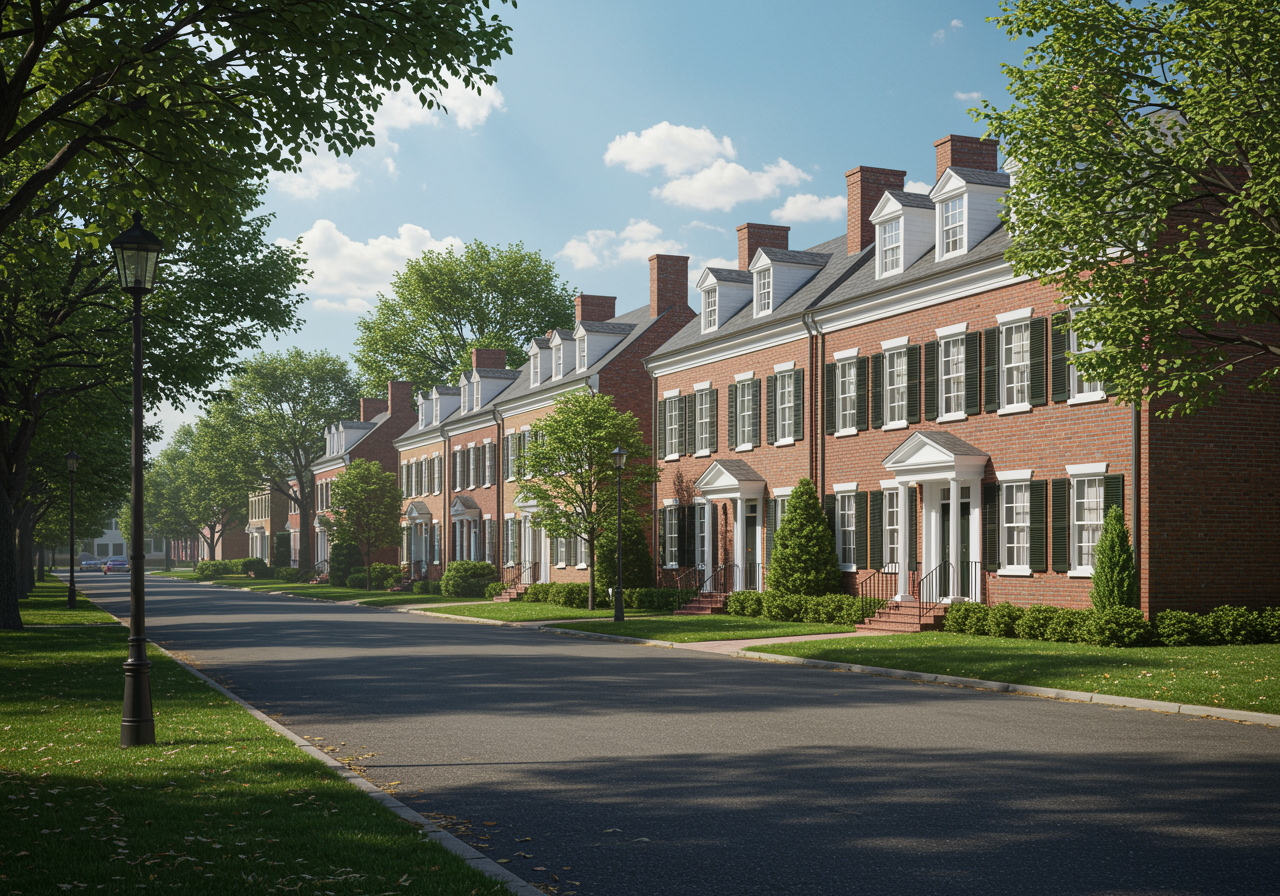
This style also benefits from symmetry. If your home’s windows are evenly spaced and the entry is centered, the door should reinforce that order rather than interrupt it.
Craftsman Homes: Warm, Grounded, and Built to Feel Honest
Craftsman architecture leans into material richness. It values sturdy lines and a sense of hand-built character. Doors in this style often have simple panels and small, purposeful glass near the top. Natural wood tones and earth colors usually feel right.
If you want a quick visual reference for the look and what defines it, HGTV’s Craftsman style hub is a useful source for the core traits that make Craftsman homes feel cohesive. Modern homes want doors that feel minimal and confident. Flat faces work well. Long vertical pulls work well. Glass inserts are often linear and simple. Color can be bold, but the shapes should stay clean.
If you are trying to confirm whether your home fits into a modern category, HGTV’s overview of popular architectural home styles is a helpful way to compare modern, contemporary, and transitional looks.
When Your Home Is a Mix: Match Materials and Repetition
Many homes are not pure style. That is normal. In those cases, the best strategy is material consistency. If your exterior uses warm materials like brick or wood accents, choose a door that supports that warmth. If your exterior is crisp and neutral, a cleaner door profile often fits better.
You can also look for repetition. If the home uses arches, use a door shape or glass detail that echoes that curve. If the home uses strong vertical lines, use a door layout that reinforces them.
Glass, Hardware, and Finish: The Details That Make It Feel “Right”
Even when the door style is correct, the details can still break the match. Hardware matters. A sleek modern handle set can look strange on a traditional home. Heavy decorative hardware can overwhelm a minimalist exterior.
Glass is similar. Large sheets of clear glass can fight with traditional architecture. Divided or patterned glass can fight with modern architecture. The best rule is simple. Your glass should look like it belongs to the era of the home.
Finish matters too. Some finishes read “builder grade” and flatten the entry. Others add depth and make the door feel like part of the architecture.